
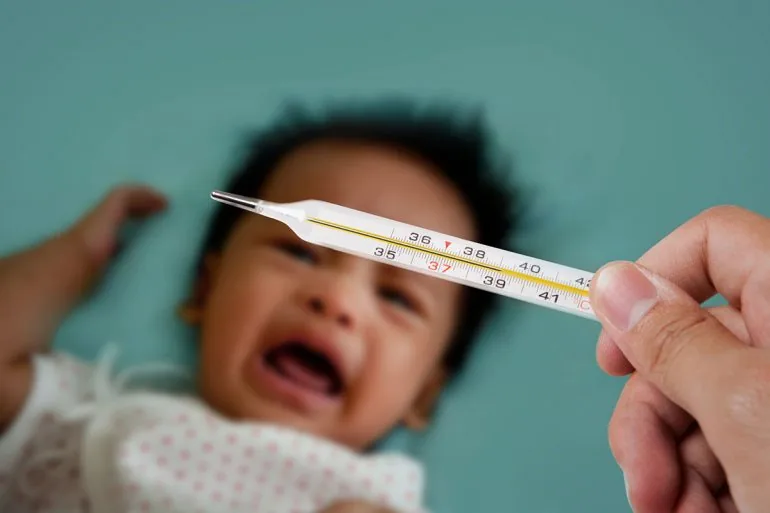
Pneumonia is an infection or inflammation affecting the lungs. Children may have cough and fever, but breathing effort, age, hydration, alertness and underlying health help determine urgency. Pneumonia cannot be confirmed safely from symptoms on a website.
Breathing signs deserve attention
Seek urgent medical care when a child has marked difficulty breathing, severe chest indrawing, blue or grey lips, pauses in breathing, inability to drink, seizures, confusion, extreme drowsiness or rapid deterioration. Young infants and children with chronic heart, lung, immune or neurological conditions may need a lower threshold for assessment.
A practical comparison
A playful child with a mild cough who is drinking normally is different from a child who is breathing hard, cannot finish a sentence or feed, and is becoming sleepy. Temperature alone does not make that distinction. Parents should focus on the whole child and the change from usual behaviour.
What a clinician may consider
Assessment may include breathing rate and effort, oxygen level, hydration, chest examination and the child’s history. Tests are not necessary in every case; treatment depends on the likely cause and severity. Antibiotics do not treat viral infections and should not be started from an old prescription.
Recovery and follow-up
Follow the child-specific plan, offer fluids as advised, avoid smoke exposure and return for review if breathing, alertness, intake or fever is not improving as expected. Cough can take time to settle, but worsening symptoms need reassessment.
Age changes the picture
An infant may not describe pain or breathlessness. Reduced feeding, pauses during feeds, grunting, unusual quietness or temperature instability may be the clues. An older child may report chest discomfort or shortness of breath. Breathing rate varies with age, fever, crying and activity, so a number taken without context can mislead.
Why an examination matters
A clinician combines the story with the child’s appearance, breathing effort, hydration, oxygen measurement when available and chest examination. A chest X-ray is not automatically required for every child, and a normal-looking child at one moment can still need follow-up if symptoms evolve. Conversely, green mucus alone does not prove a bacterial infection.
A home observation checklist
While arranging care, note when symptoms began, maximum measured temperature, breathing effort at rest, fluid intake, urine output, alertness and medicines already given. Count breathing only when the child is calm if a clinician asks you to do so. A short video may help demonstrate an intermittent sound, but do not delay urgent care to record it and do not send medical media through this site.
Reducing avoidable risk
Keep routine vaccinations current after individual review, reduce tobacco and biomass-smoke exposure, encourage hand hygiene, and keep children away from people who are seriously unwell when practical. Good nutrition and management of underlying conditions support health, but no home measure guarantees prevention.
Questions before going home
- What diagnosis is most likely, and what remains uncertain?
- What medicine, dose and duration were prescribed for this child?
- Which breathing or hydration signs mean immediate return?
- When should improvement be expected and when is follow-up required?
The editorial judgement behind this guide is simple: breathing effort and the child’s overall condition matter more than trying to name the infection online. When a caregiver is worried by a meaningful change, timely assessment is safer than waiting for a perfect checklist match.
Use this guide safely
General information cannot account for an individual child’s age, history, examination or current condition. Discuss persistent concerns with a qualified professional. For urgent symptoms, use emergency services rather than this website.